
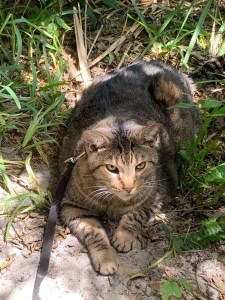
 This is Pekoe, our beloved, 13-year-old, diabetic cat. We got Pekoe and a sibling, Lewis, as kittens, and initially let them out to roam and play. Lewis immediately ran onto A1A and was killed. Consequently, Pekoe has never been allowed outside on his own. We walk him several times a day on a leash, which he loves. He is an exceptionally calm, polite animal, and extremely intelligent.
Last summer Pekoe went camping. Not on his own. Although Puss in Boots is my all-time favorite story, and I would have given him permission to traipse out on his own, his belongings tied in a bandana on a stick, that’s not how it went. We had long planned a trip to California to visit family, and expected to be gone about two months. That was far too long to board Pekoe, who requires insulin injections twice a day. So, we decided to take him with us.
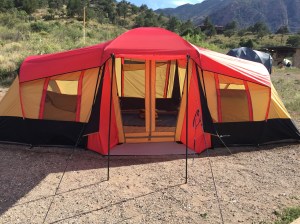
Tired of trying to change clothes on our knees in our old, well-travelled dome tent, we upgraded and got a gigantic cabin tent with six-foot plus headroom and twenty feet long, which could be turned into three separate rooms with dividers. We planned to sleep at one end, Pekoe at the other, with equipment in the middle. We also got him a collapsable screened enclosure so he could safely be with us outside, and his very own backpack, demonstrated below with a manufacturer’s model, not for him to wear, but to carry him in for short hikes. All sound ideas, right?

Our first stop was the Big Biloxi River Campground. We set up and spent an uneventful night except for some rain showers. The tent held up great, no leaks, and there was plenty of room. Portending. Pekoe, as always adapted without a fuss.
In the morning we decided to try out his new backpack and hike down to the river for some fishing. The camp website had said the river was great for bream, bass and catfish. Well, at the nearest river access from our campsite, the Big Biloxi was about twenty feet wide, and a dingy brown. Maybe it was a tributary, I don’t know. You had to climb down a steep, slick, ten-foot bank to stand in ankle deep mud by the river. Pekoe rode along in his special pack, but was less than thrilled. We stayed about ten minutes It was one of only two times he rode in his pack.
 We had a nice layover in a motel in Austin, then beat it down to Big Bend National Park. This was our third time there, our first being in 1970 when we were in the army in San Antonio. It was Pekoe’s first visit. This is our campsite, with a wonderful view. Weather reports said a heavy rain was headed our way from Mexico, with potential for flash flooding in the arroyos. There is one road in and out to Big Bend from the north, a hundred twenty-five miles to the nearest town, and another two-laner out to the west, both crossing many arroyos, marked with signs warning of flash flooding. Cars get carried away, never to be seen again. We were a little anxious, but the rain wasn’t expected for two more days.
The first night was wonderfully dark and clear. Big Bend is one of the darkest places on  the continent, great for star-gazing, which we were looking forward to. And then the wind started sweeping down the valley, a wind like we have never experienced outside a tropical storm. The new tent was roomy, for sure, but it also had an enormous amount of flat, exposed surface area, and I spent the better part of two hours fighting to keep it up from the inside. Pekoe was cool, even when the tent finally blew down. Accepting our temporary fate, we put him in his mesh enclosure, and we took the sleeping bags out under the picnic table pavilion, and slept that night on concrete. Here’s what the tent looked like in the morning.
We set up again the next morning, and I reinforced the stakes and tie-downs. The rain was still predicted to be a day away, but by that evening, after a day of roaming the park by car, we noticed ominous dark clouds moving up the valley from the south. Remembering my army field training, I dug a drainage perimeter around the tent, but lacking a proper entrenching tool, I could only scratch out a very shallow trench in the tough desert soil with a hatchet. Sure enough, the rain hit that night, a day earlier than predicted, and though it has been many months since the event, I still don’t have words to describe how hard that rain was. Even granting that rain on a tent sounds much worse than that on the roof of a house, I’ve ridden out several hurricanes, and though the wind wasn’t the same, the rain was worse. Data we gathered the next day indicated over four inches of rain fell in the park that night, and we’re pretty sure most of it was on our tent. It stayed upright and didn’t leak, but for a tiny opening at one seam near the ground, which I later patched with super glue, but water filled in from outside below the floor, which thankfully also remained intact, so that we were floating on a rather large water bed, while pummeled by the intense, unrelenting downpour. Everything in the tent floated; the sleeping bags, packs, ice chest, Pekoe. At one point he climbed up on one of our bags and said, “Is this camping, Papa?” I assured him it indeed was.
There would be a tapering in the deluge, in which, exhausted, we would doze off, but then it would intensify yet again, and again, waking us many times. It lasted all night; literally, all night. At dawn we crawled out, and with more rain yet forecast, decided to make for Guadalupe National Park on the western exit, taking our chances with the arroyos. It was still raining, though lightly enough now to allow us to take down the soaked tent and pile it, with all the other equipment, in our giant bag on the car rack. There was a breakfast buffet up at the lodge, so we went there, leaving Pekoe in the car, and what a wonderful breakfast it was.
At this point, having written probably more than you can take, I am reminded again of the Uncle Wiggly the Gentleman Rabbit books I used to have read to me as a small child. Each chapter of those ended with a variation of the following: And in the next story, if I catch a fish in a milk bottle, and he doesn’t bite my finger, I’ll tell you about Uncle Wiggly in a parade. So, in the next installment of The Skinny Island Post, if the rain lets up, and the frogs don’t form a union, I’ll tell you about losing Pekoe at Great Sand Dunes National Park.
____________________________________________________________________________________________
If you like the Skinny Island Post, you’ll really like “Bringing Back Canasta. It’s good literature. Ask your bookseller, or order direct from Amazon. Visit amazon.com/author/sharrison3, for this and other books, and please consider writing a review.
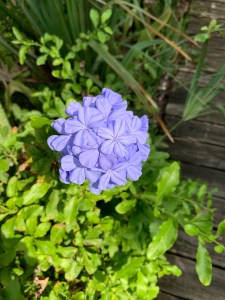


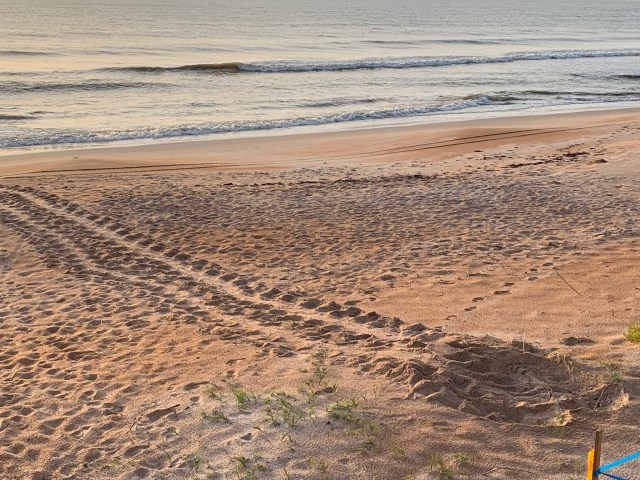
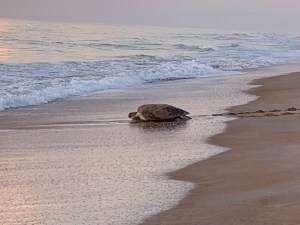 dolphin. This morning, probably the last on the beach for several days due to rising tides, we were rewarded with the discovery of a Loggerhead turtle making her way back into the water after laying her eggs.
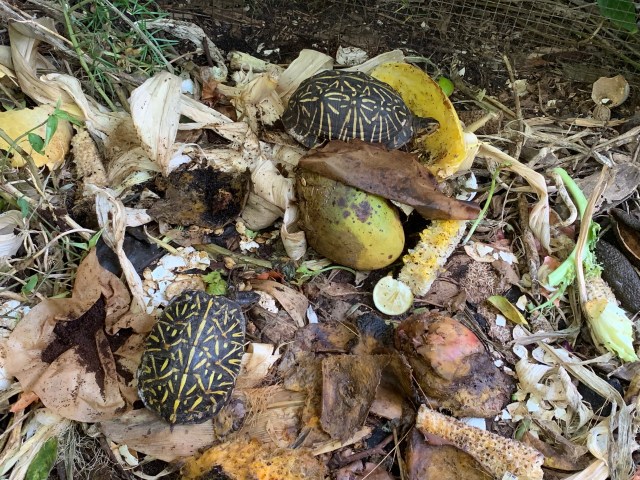
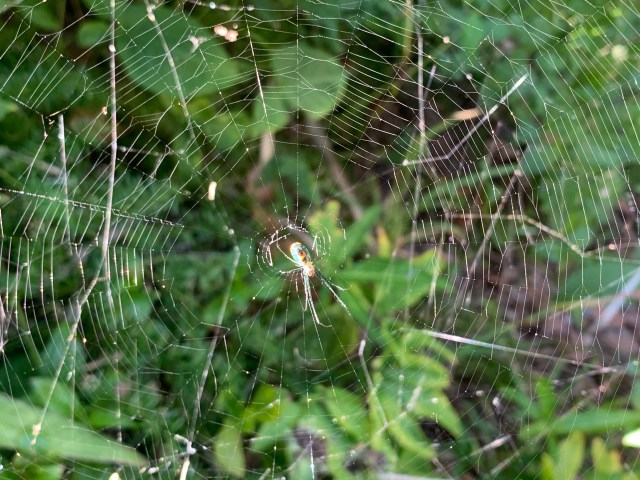
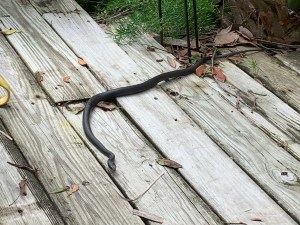
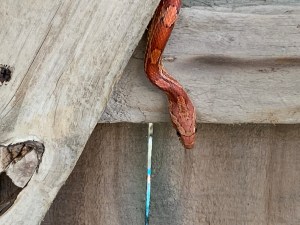
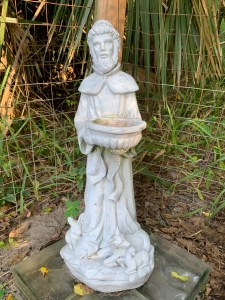 I think I understand St. Francis’ affinity for small animals and all creatures. At least the long-established myth and literature that depicts animals drawn to him. Its not about a special grace or gift; that’s given to all; it’s simply about being still and paying attention. In silent observation, creatures abound. Unthreatened, they appear as they would, and do, in the presence of a tree, or bush, or flower. When we are quiet they appear among us here every day; lizards, butterflies, snakes, and birds. They are often curious, and frequently, even communicative in a way, a simple, unadorned way, a way devoid of meaning. That’s our imprint, meaning, and it diminishes what is authentically seen and felt. Being meaningless, it is therefore full of meaning. Pretty Zen, I know, but pretty Franciscan, too.



 The Skinny Island Post