
We have what amounts to a small Zen Garden  off the front deck of the little hacienda, modified, of course to conform to the environment, which means that, in addition to some casually placed coquina rock, there are also floats from shrimp boats, and two artfully, but again, naturally arranged horseshoe crab exoskeletons, along with a few conch shells that were here when we moved in. The idea of a Zen Garden, of course, is to create a symbolic representation of a natural landscape using rock, sand, stone, trees, etc. It should appear natural and casual, but one is always aware of the extreme tension inherent in such a
 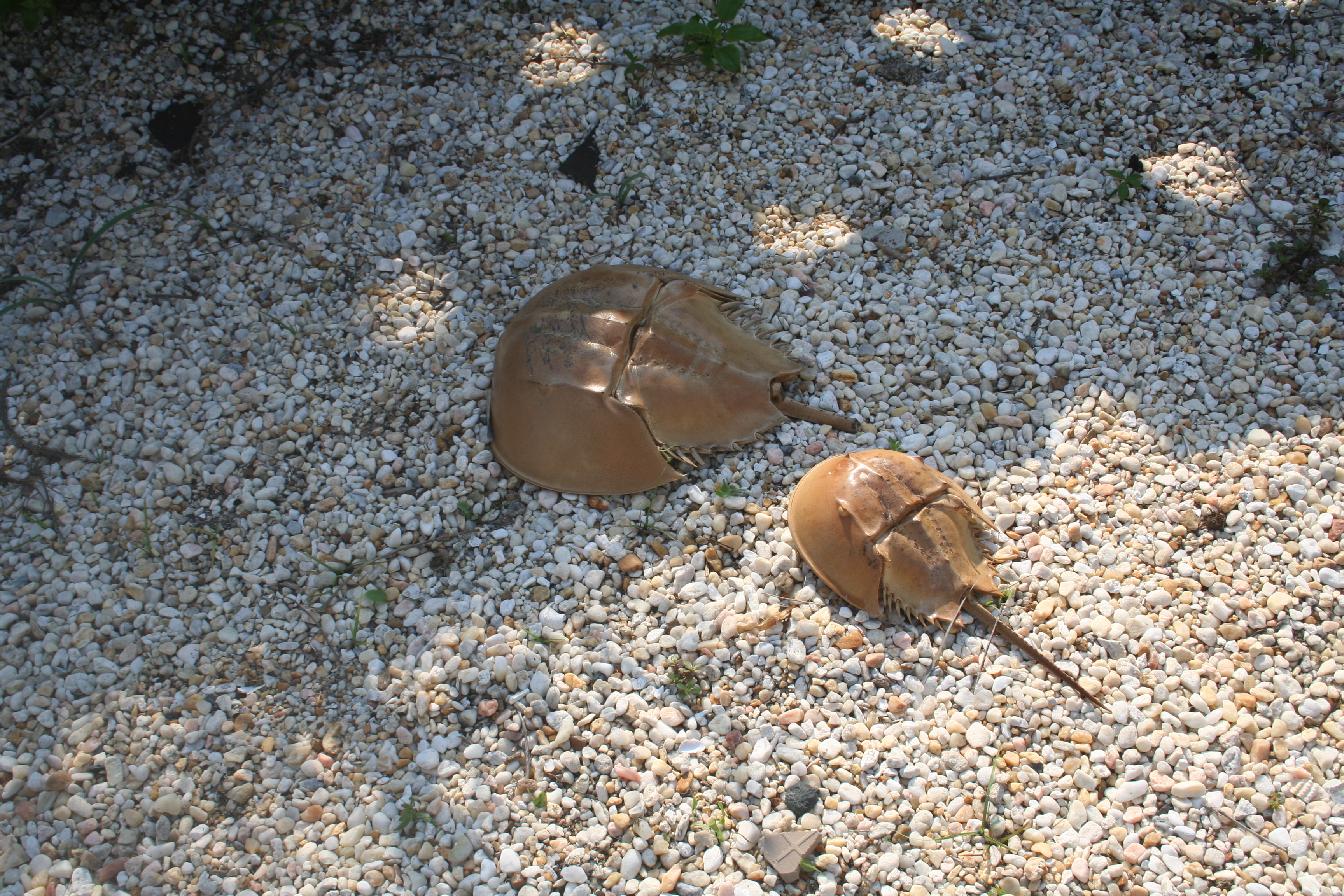 contrivance, which stands in complete opposition to the sense of calm and peace it creates. Tension born of the pathological attention to detail maintaining such a garden requires,we think. We will have none of that, of course. Our Zen Garden is essentially self-sufficient, save for a bi-annual removal of opportunistic weeds which appear in the pea rock, but the effect, we believe, in terms of an artistic statement, is the same. It is a reflection of where and how we live, including a more or less firm commitment to leave well enough alone.
Which leads us to Xeriscaping. We firmly believe in xeriscaping, but we see a problematic corollary between xeriscaping and Zen Gardens, that being a manipulation of ingredients to simulate naturalness. Xeriscaping as we understand it entails use of native plants requiring little water or care, which we whole-heartedly support, but in most cases also means placement of said plants in a controlled way. Our xeriscaping follows a much more natural order. If it grows, we let it. There is no watering or fertilizing, and there is no arranging of elements to enhance or create any effect. When things start growing into the house we cut it back. That’s about the extent of our intervention. We are, of course, the
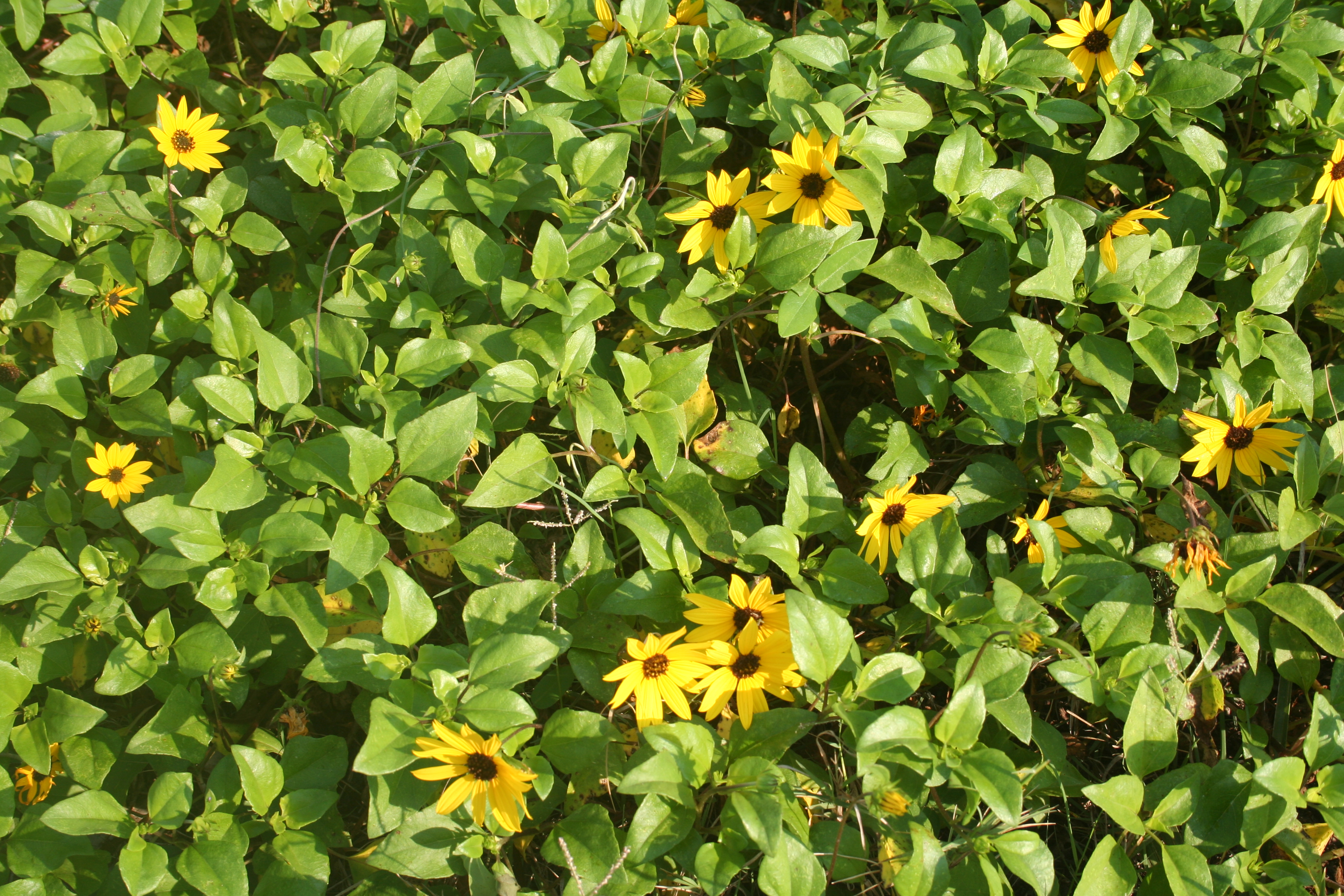
Beach Sunflowers
only edifice forty miles either way, that follows this course. The house was set up on the dune 60 years ago, everything was left to grow around it, and it does to this day. This, as you might expect, is appreciated by some, and reviled by others. On either side of the little hacienda, for miles, are carpet-like grass lawns, requiring massive amounts of water and fertilizer, even in front of the condos.
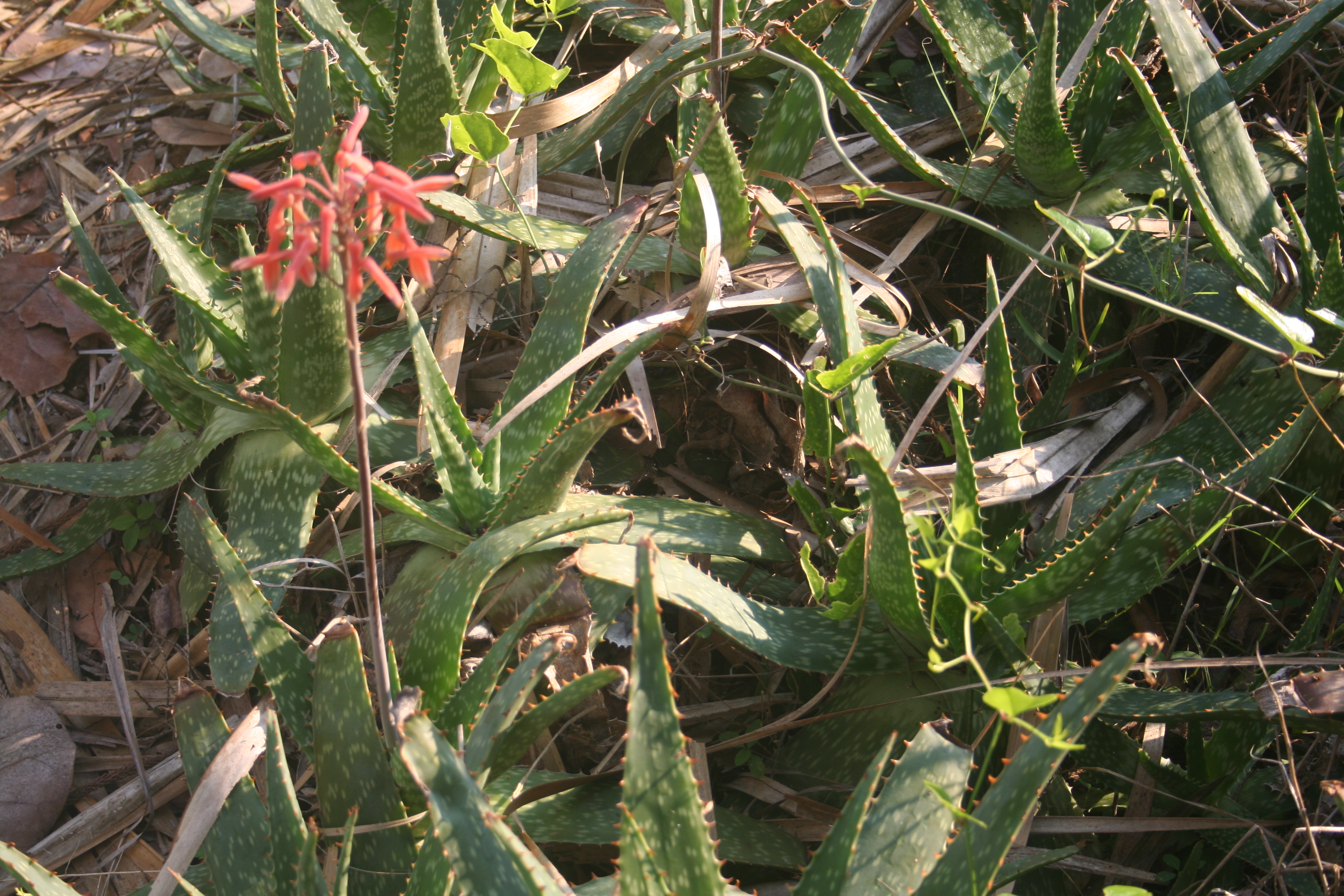
Aloe
The folks in these places don’t particularly care for the natural look, as evidenced by their glares on passing. If something isn’t paved or grassed, there must be communists in those weeds. Others find it amusing, and a few offer supportive comments. We happily share space with beach sunflowers, aloe, stinging nettles, sea grapes, cactus, and the ubiquitous palmetto. They are fine with arrangement, and so are we.
* * *
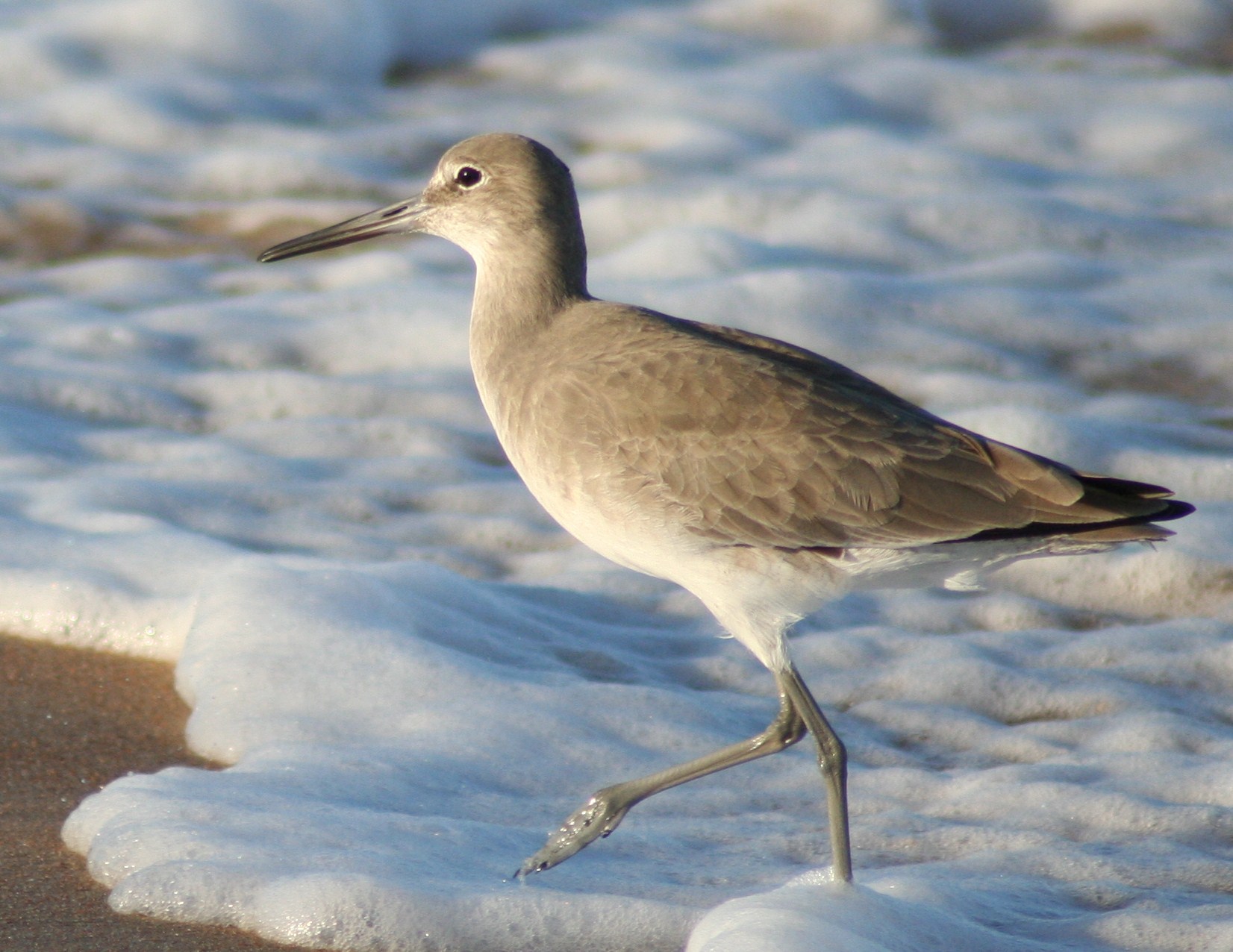
Willet
This is a Willet, our favorite shore bird. A few stay around through the winter months, but their numbers greatly increase in spring and throughout the summer, when their favorite food, the sand flea, appears in abundance. About a foot tall, most of it legs, it is an exceptionally elegant bird with a long beak and a beautiful black and white pattern on its underwing you only see in flight. The long legs and beak make it especially suited for extracting sand fleas in the shallow water of retreating waves, where the other sand flea predators, like sandpipers, are too small to venture. It charges in after the wave and nabs the exposed crustaceans with a quick stab of the beak. Very territorial, they tolerate nearby sandpipers as no competition, but nothing else, including other Willets. There is a good deal of posturing and brief winged chases when one encroaches on another, though I have never seen any physical contact. Unlike most of the other shore birds, the Willet can be quite vocal as well, uttering a crisp, high-pitched, three-note cry when alarmed or threatened. They nest on the ground, in concealed spots in the dune, often in colonies. We delight in their presence.
* * *

 The Skinny Island Post